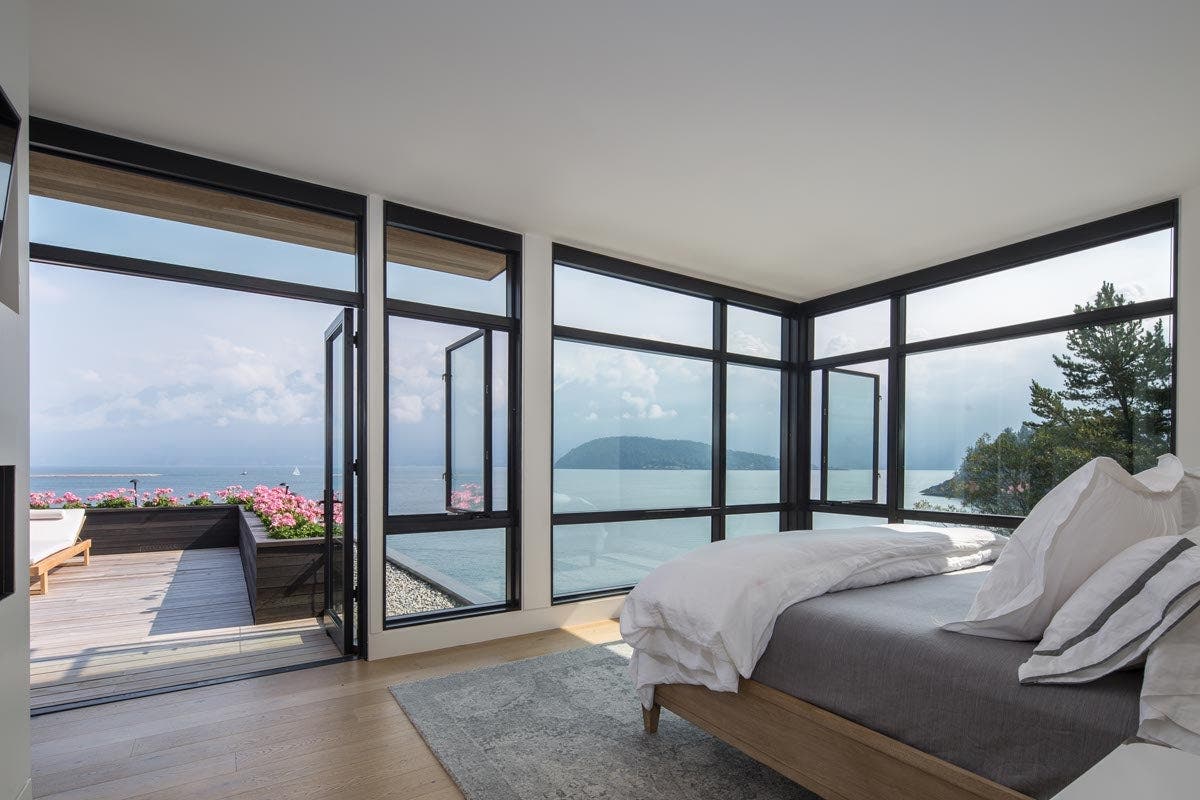
Many of us have become acutely aware of outdoor air quality over the past several years. Smoke from wildfires, high pollen counts and other elements have led many of us to shut our windows. But did you know that the air quality inside our homes is often even more susceptible to poor conditions?
According to the Environmental Protection Agency (EPA), “Air within homes and other buildings can be more seriously polluted than the outdoor air in even the largest and most industrialized cities.” Considering that we spend 90 percent of our entire lives indoors, our homes’ indoor air quality should be a top priority.
Breathe Out the Bad
Poor indoor air quality can come from many sources. Cooking fumes, smoke from combustion appliances, off-gassing from furniture and finishes, airborne pathogens, mold spores, and allergens can all accumulate inside our home and affect our health. Together, these substances are considered indoor air pollutants.
Exposure to these pollutants can have immediate and delayed consequences. In the short-term, indoor air pollutants can cause eye, nose and throat irritation, as well as dizziness, fatigue and stress-related ailments. In the long-term, repeated exposure may lead to respiratory disease, heart disease and cancer.
Breathe In the Good
Healthy indoor air quality benefits everyone. Most of us have been encouraged to “get some fresh air” when we’re feeling frustrated or unmotivated. A deep breath of clean air calms our nervous system, slows our heart rate and renews our focus.
Clean air is inviting to our senses. We feel more welcome in a home that smells fresh and hosts a soft breeze. Good air quality also has proven benefits for our productivity and cognition, making us more effective creators and innovators.

In addition to the mental health benefits, clean air keeps us at our best physically, as well. When managing air circulation and filtration, we control the air’s humidity and particulates. This allows us to lower the likelihood of mold, floating dust and other pollutants that trigger asthma, allergies, common illnesses and general discomfort. Minimizing exposure to airborne toxins and pollutants is intrinsic to LEED-certified homes and other wellness-focused green building programs.
As Easy as Opening a Window
One of the most effective solutions to reduce indoor air pollutants is to ventilate your home. Fortunately, opening a window or door is also one of our most accessible options.
Ventilation occurs in three different ways:
- Infiltration is the natural exchange of outdoor and indoor air through cracks in joints, around doors and through other openings. Modern houses are designed to be exceptionally airtight to conserve energy, keeping infiltration to a minimum.
- Mechanical ventilation is achieved through fans and blowers, such as those in kitchens and bathrooms. These remove stale or humid indoor air and replace it with fresh outside air through duct work.
- Natural ventilation relies on opening windows and doors and is by far the most straightforward way to get fresh air into your home to improve indoor air quality.
Cross-ventilation for Better Inhalation
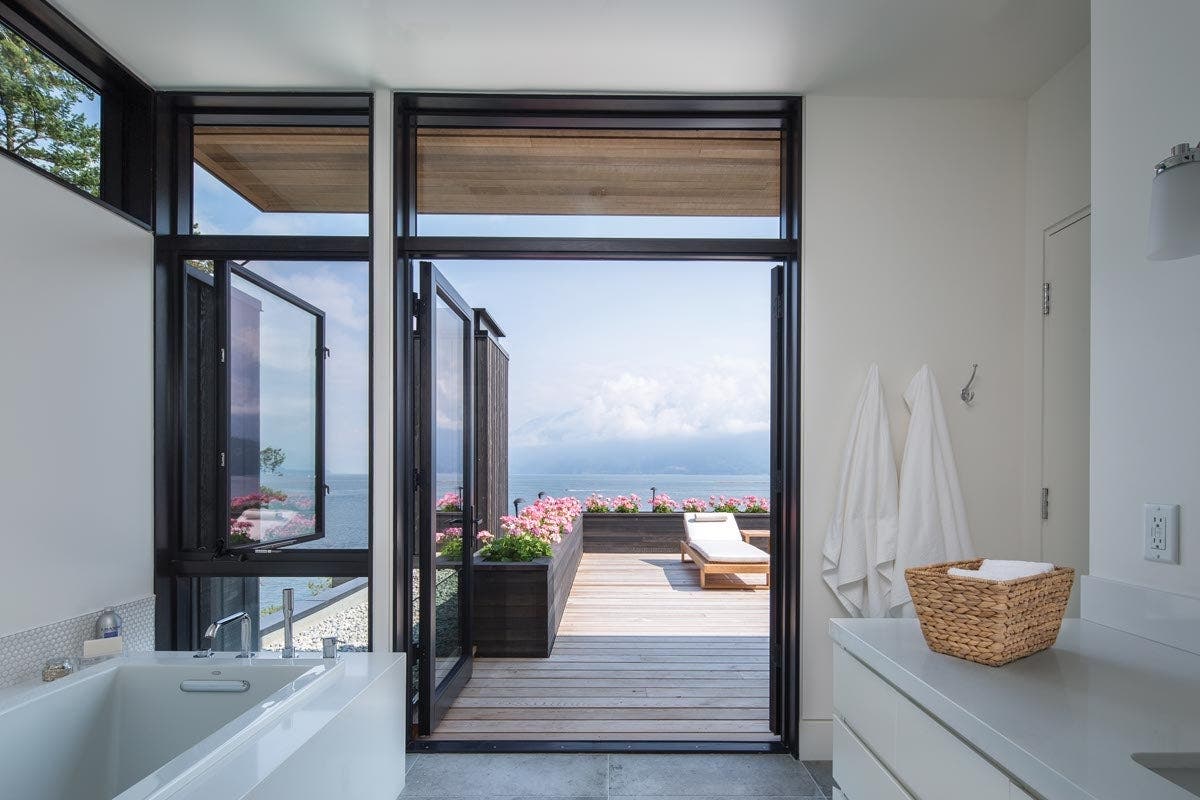
The most efficient way to utilize windows and doors for natural ventilation is to create a cross breeze. Cross-ventilation relies on leveraging wind direction and air pressure to move air through a home, resulting in a greater exchange of air than what would result from a single opening.
Opening a window or door on the windward side--the side that faces the direction of the wind--creates positive pressure that moves fresh air into a home. Opening a window or door on the leeward side--the side that faces away from the wind--creates negative pressure that forces stale air to leave a home. Cross-ventilation works best through smaller, unobstructed rooms and in areas with frequent breezes.
Ventilation also can be created by utilizing convection: air movement caused by temperature. Hot air rises and cold air sinks. Opening the lower sash of windows on the bottom floor and the upper sash of windows on upper floors on hot days will create air flow by convection. This will not only ventilate your home, but also regulate the interior temperature. Similarly, opening both the bottom and top of a double hung window halfway creates a local circulation effect.

By putting these concepts together, you can utilize both convection and cross breezes to great effect by opening the bottom sashes on the windward sides of a home and the top sashes on the leeward side.
Choose What Works for You
The windows and doors that work best for ventilating your house will differ depending on where you live, the size of your living space and your ventilation needs. Of course, certain design elements of your initial window and door construction can greatly improve ventilation and your indoor air quality.
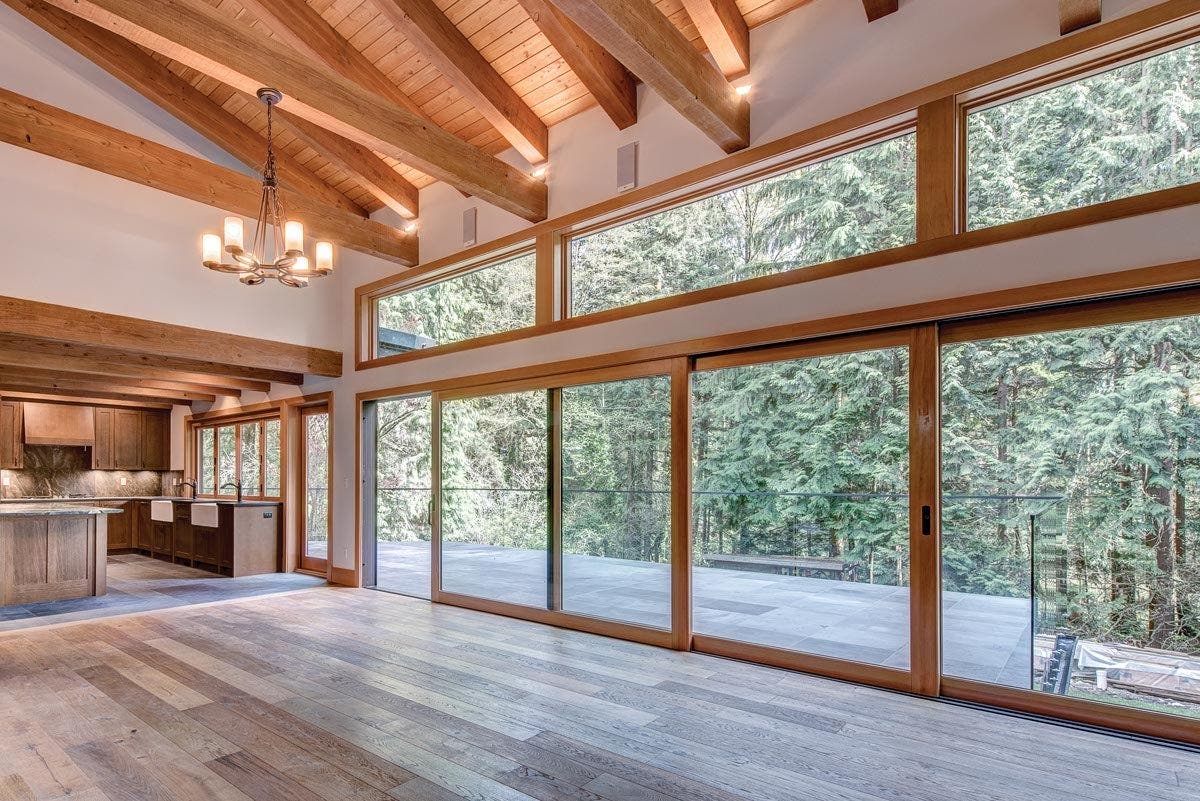
Opting for larger or more numerous openings will offer greater ability to naturally ventilate your home. Folding and sliding doors essentially turn entire walls into full openings, creating unobstructed access for air to flow into and out of your home.
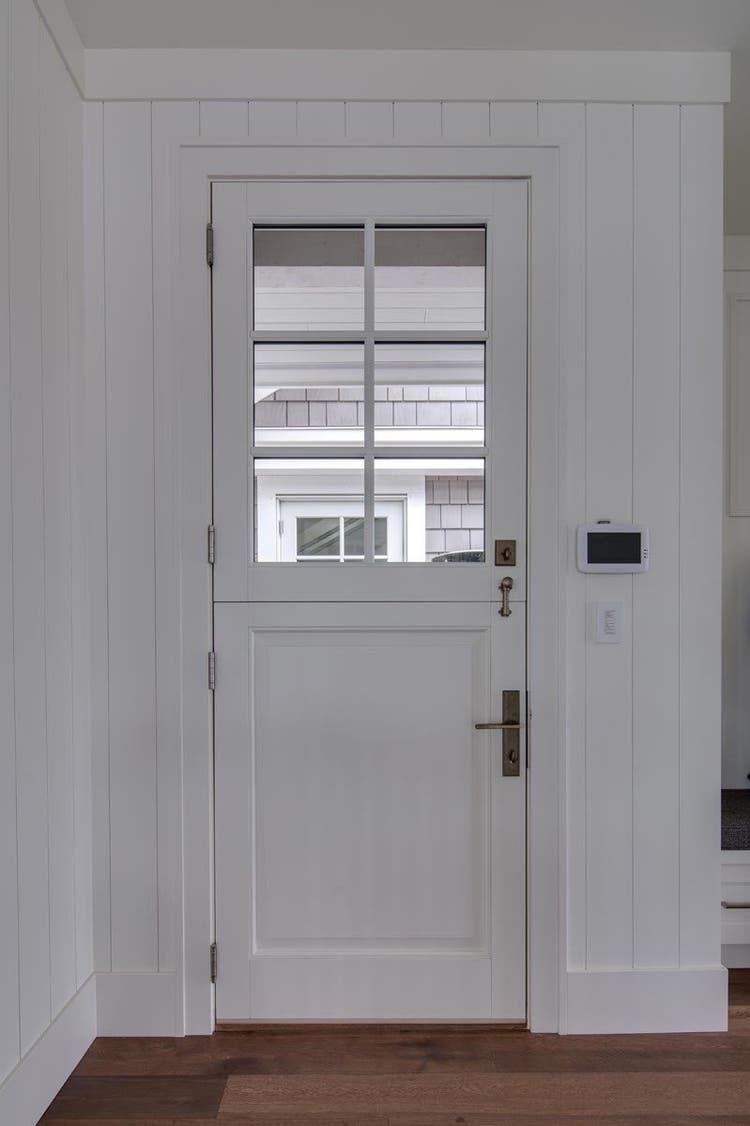
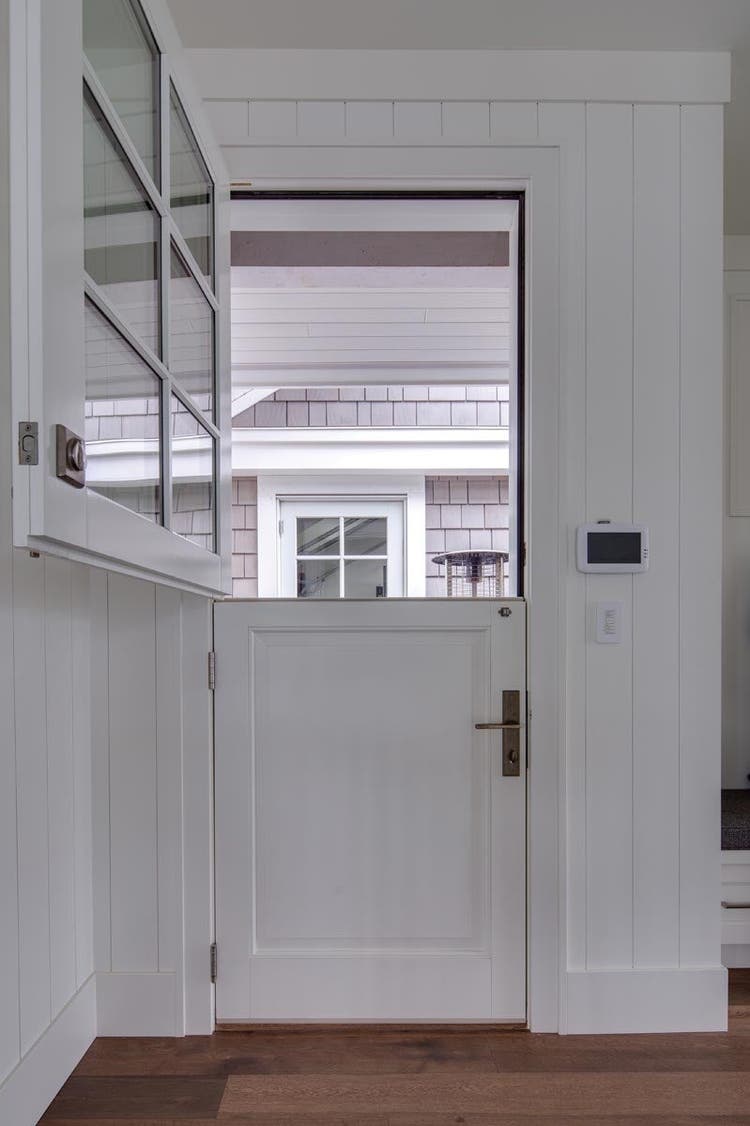
Side lites, transoms and split-opening Dutch doors allow you to create ventilation while safeguarding children and pets.

Double hung windows can open from the top or bottom to capitalize on air movement and wind direction.

Casement windows can open fully to position the glass surface perpendicular to the wind, catching and redirecting the air into your home.


Tilt-turn windows fine-tune the ventilation in your home by opening inward in two unique ways: from the top to subtly exhaust air or from the side to fully access outdoor air.
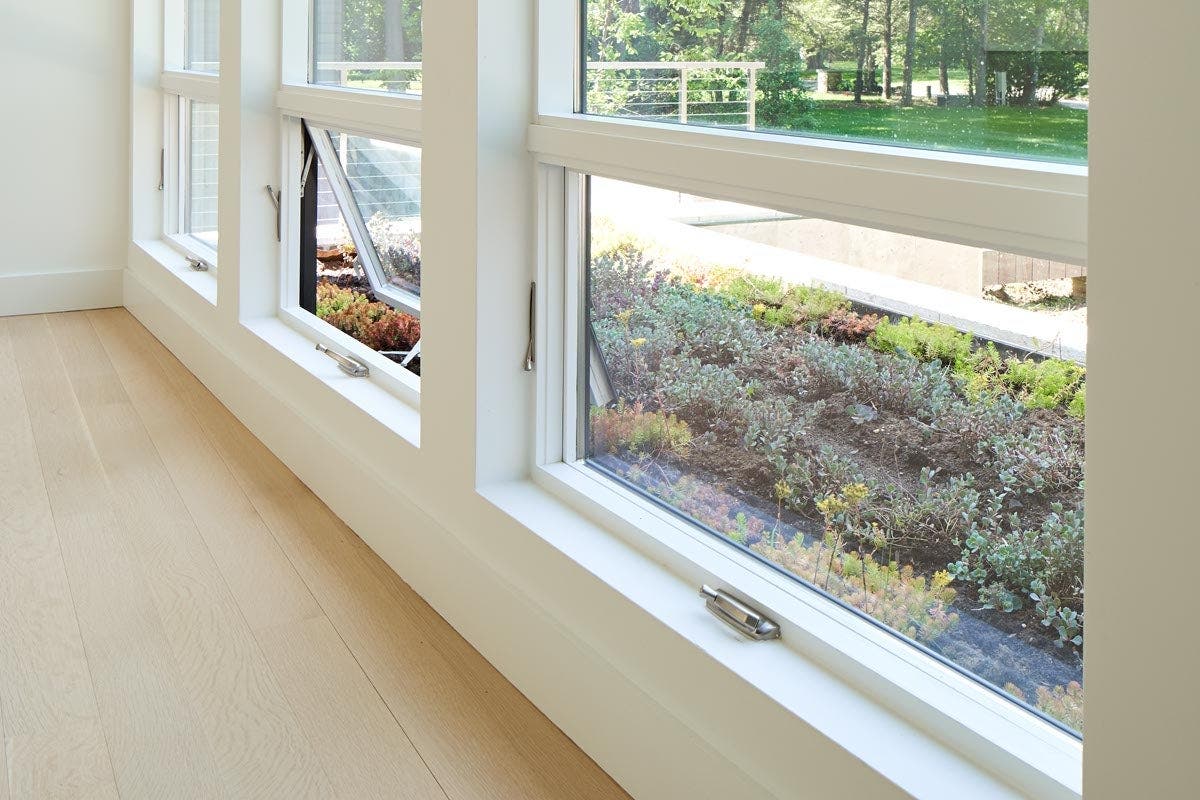
Awning windows make it possible to ventilate your home even when it is raining.
In the end, the window or door that’s best for your home’s ventilation and indoor air quality will be the one that you can easily open and close. When it’s simple to operate, you’ll use it more often than one that gets stuck, won’t stay shut or is too heavy to lift. Beyond proper performance, automated hardware can assist with operating hard-to-reach openings, enhancing security and access, and programming a routine for opening and closing based on time, temperature and ventilation needs. Choosing high-quality windows and doors ensures that they operate effortlessly and reliably for you, creating a space where you can always breathe easy.
Contact Kolbe today to learn more about how our custom-crafted, high-quality windows and doors can help you improve the indoor air quality in your home.


