
Designing a home means designing for far more than daylight hours.
When discussing windows and doors, most conversations begin with sunlight. Architects and homeowners often focus on how fenestration welcomes natural light, frames outdoor views, supports ventilation and contributes to energy performance. These considerations are important, shaping how spaces look, feel and function throughout the day. Yet, every house also experiences another side of the clock.
After sunset, houses are at peak occupancy. Residents settle into their homes for family gatherings, meals, relaxation and bedtime routines. Despite this reality, the nighttime experience is frequently treated as a secondary consideration rather than an intentional part of the architectural design process.

As daylight fades, windows and doors take on new responsibilities. Glass that once framed the outdoors becomes a lens into the interior. Carefully selected openings glow from within. Privacy dynamics shift. Exterior lighting becomes part of the architectural composition. The effects on wildlife, neighboring properties and human wellness become more apparent.
Designing for these nighttime conditions reveals new perspectives and opportunities that daylight alone cannot provide. By considering how windows and doors perform after sunset, architects, builders and homeowners create spaces that are more expressive, comfortable and considerate at every hour.

Daytime Expectations
Before exploring the nighttime experience, it helps to understand the many responsibilities fenestration fulfills during the day.
Windows and doors provide a connection between interior and exterior, bringing the outdoor views and natural light inside the home. The visible light transmission (VLT) of their glass influences how much daylight enters a space. This enhances our perception of comfort and reduces reliance on electric lighting. Glass choices supporting energy efficiency also manage ultraviolet (UV) light. Blocking UV light protects people, furnishings, artwork and finishes from the damaging effects of prolonged sun exposure.
Glass performance also plays a critical role in temperature regulation. Solar heat gain can be leveraged to passively warm interior spaces in cooler climates, while minimizing overheating in others. Different glass types, configurations and coatings work together to achieve the desired thermal transmission for optimal indoor comfort.


Material selection matters as well. Along with glass, durable finishes and weather-resistant components help preserve both the appearance of the windows and doors themselves and the spaces they serve.
In many climates, operable windows and doors also support natural ventilation, creating opportunities to enhance comfort through fresh air rather than mechanical systems alone.
These daytime-oriented characteristics and benefits of windows and doors are frequently discussed and well understood. The nighttime experience, however, often receives less attention.

Nighttime Considerations
After sunset, windows become visible sources of light themselves.
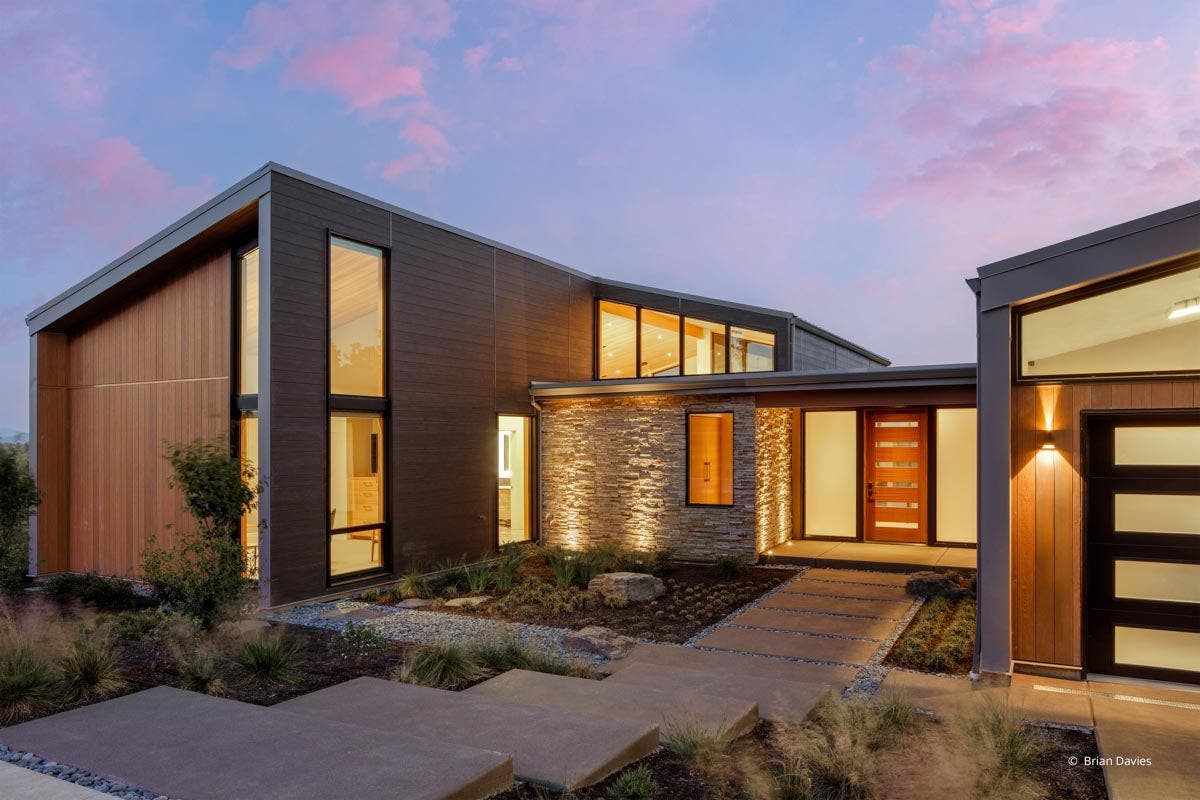
Interior illumination transforms windows and glass-forward doors into glowing architectural features, making lighting design as critical as window placement in shaping how a home is perceived after dark. A house’s appearance can look entirely different during the day than it does at night. Thoughtfully designed homes reveal layers of warmth, depth and personality at all hours of the day.
The effects of light at night extend beyond visual appearance. Interior lighting systems, illumination from neighboring properties or broader outdoor light pollution can influence the body's natural circadian rhythms that regulate waking and sleeping. Lighting, glazing and window placement contribute not only to aesthetics and comfort, but also to overall human wellness. Architects understand how to balance the desire for illuminated spaces with the importance of preserving natural darkness.

At night, windows offer carefully framed glimpses into the life of a home. A library illuminated by warm lighting, a dramatic staircase, a vaulted great room or an impeccably furnished dining space can all contribute to the visual identity of the exterior. Rather than concealing architecture after dark, windows can help showcase it.
This relationship between interior and exterior design creates opportunities to think beyond individual rooms and consider how the entire dwelling presents itself to its surroundings.


Details After Dark
Some design elements become even more expressive after sunset. Divided lites, decorative grille patterns and glass details produce visual effects that are difficult to appreciate during the day. Backlighting can emphasize depth and texture, transforming familiar elements into focal points. This interplay between light and shadow can reveal details that remain subtle under direct sunlight, allowing architecture to communicate in a completely different way.
The nighttime appearance of a home extends beyond what happens indoors. Exterior lighting around entryways, porches, pathways and landscaping highlight architectural features, while improving safety and navigation. Considerate, directional lighting places illumination where it is needed rather than flooding entire areas with brightness.
The result can be a layered nighttime composition that feels welcoming without becoming overwhelming.
Transparency and Privacy
One of the most significant changes that occurs at night involves visibility. During the day, exterior reflections may make it difficult to see into a home. After sunset, those conditions reverse. Interior lighting makes occupants and living spaces much more visible from the outside. For homeowners who prioritize privacy, this shift deserves consideration during the design process.
Fortunately, openness and privacy do not need to be competing priorities. Window coverings, exterior shading elements, landscaping and strategic placement of openings can manage visibility, while preserving natural light and views. Clerestory windows and other windows that follow the roofline inherently limit views of the activities within interior rooms.
Glass choices also help tune-in transparency to match the project's goals. Textured glass, tinted glass and switchable privacy glass can provide varying levels of translucency, while allowing daylight to enter the space.
The most successful solutions often begin with intentional design, rather than relying solely on interior treatments after construction is complete.

Evening Views
When selecting windows and doors, designers frequently focus on what occupants will see during the day. But what will they see at night? The answer may be entirely different.
A carefully framed landscape may disappear into darkness once the sun goes down. Meanwhile, streetlights, illuminated signage, neighboring structures or traffic can introduce unwanted glare and distractions. Orientation, glazing selection, window placement and landscape design can all contribute to managing disruptive light sources. Considering these conditions during the design process ensures windows and doors continue to enhance the homeowners’ experience even after the sun sets.
The evening may present opportunities that daytime cannot: Moonlight reflecting across a lake, a city skyline lit up after dark, the movement of stars across an open sky, seasonal celestial events, or the ocean coast merging into the horizon. In the right setting, windows and doors can be positioned specifically to capture these experiences.

Nocturnal Environment
The nighttime effects of windows and doors extend beyond aesthetics and occupant comfort. Light that escapes through glazing contributes to the broader issue of light pollution, which can affect both people and wildlife.
Many species rely on natural darkness to navigate, feed, populate and pollinate. Research shows artificial lighting can affect migratory birds, nesting sea turtles, bats, insects and other nocturnal wildlife. Interior lighting visible through glass may contribute to disorientation and altered movement patterns. Bird- and turtle-friendly glass, window coverings and other environmentally aware design strategies help reduce these unintended consequences.
Excessive nighttime illumination also may reduce the quality of outdoor environments after dark, which can negatively people and their neighboring properties. Fortunately, there are many ways to reduce unnecessary light pollution without sacrificing beauty or functionality. Directional exterior lighting can limit light spillover. Automated controls can reduce lighting when spaces are not needed. Tinted, switchable and privacy-oriented glass solutions also address specific project requirements while supporting responsible nighttime design.
The goal is not to eliminate light altogether, but to ensure that it is used with purpose.


Enjoying Every Hour
Windows and doors are among the most expressive elements of any home, and their influence does not end when the sun goes down. A thoughtful approach considers both the warmth they project outward and the views they invite in, the privacy they preserve and the light they share responsibly with the broader environment.
Designing for darkness deserves more attention than imagining what a house looks like at night. It is about understanding how residents experience a space after sunset, how artificial light interacts with architecture, how views evolve over the course of a day and how a home participates in its surrounding environment. Decisions regarding window placement, glazing, lighting and shading all contribute to this experience.
When these considerations are woven into the design process from the beginning, and not addressed as afterthoughts, the result is a home that performs beautifully and behaves responsibly around the clock. Whether illuminating a winter evening, protecting privacy after sunset, reducing unnecessary light pollution or framing a clear summer night sky, windows and doors help homes respond to the rhythms of people and nature. Intentionally designed, they make every hour of the day worth experiencing.
To explore how Kolbe’s windows, doors and glass options can enhance a home’s beauty and functionality in both daytime and nighttime, visit our Inspiration page.


